
Home/Treatments/Hair Transplant
Hair RestorationHair transplant in Istanbul
Sapphire FUE and DHI, planned around your face — a hairline that suits you at forty and at sixty, not one that looks designed.
A hairline is a design decision before it is a surgical one
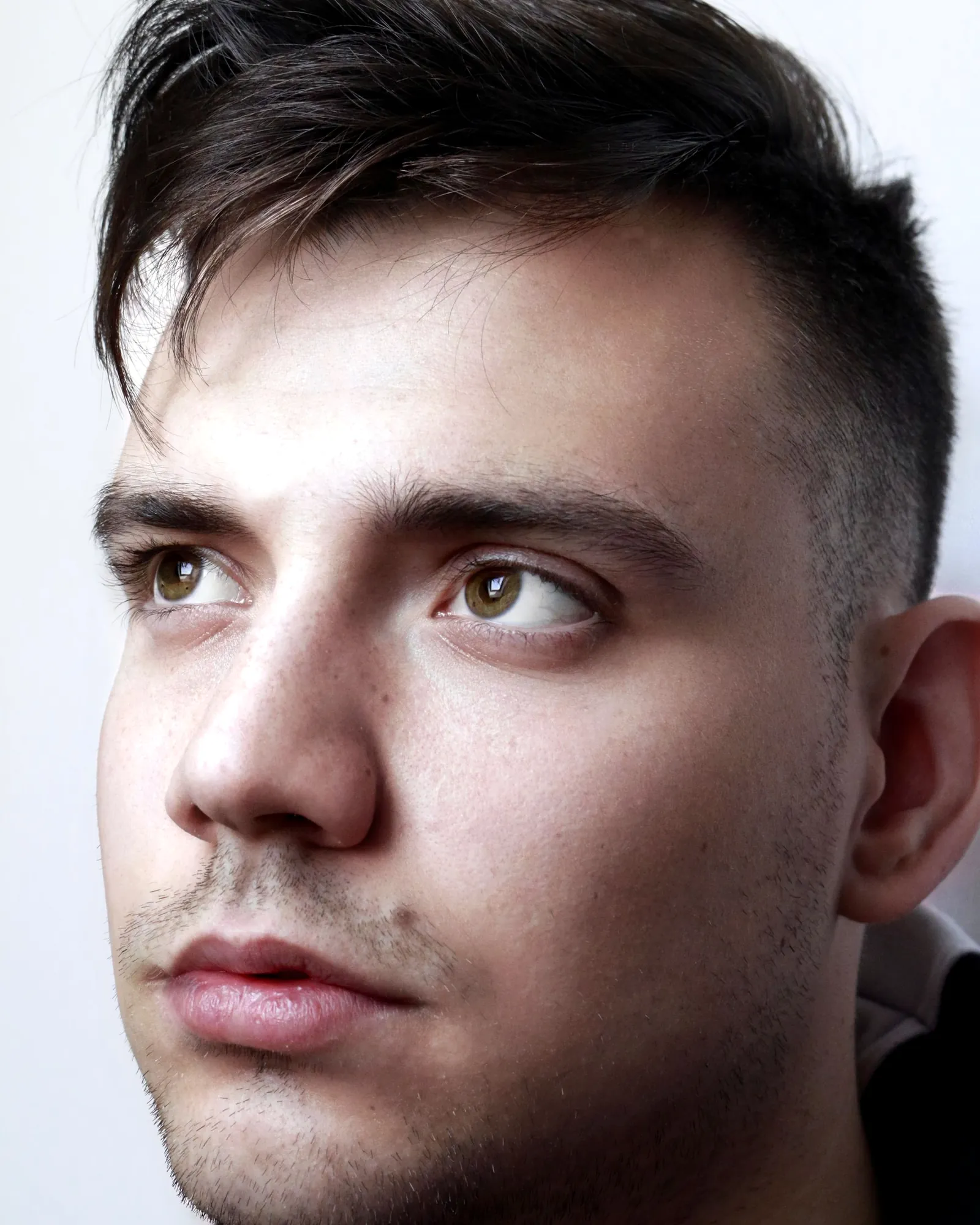
The technical part of a hair transplant is now well established. What still separates an excellent result from an obvious one is judgement: where the hairline sits relative to your forehead and brow, how the angle changes across the temples, how density is distributed so it still reads naturally as you age, and how carefully the donor area is protected.
That is why every plan here starts with your photographs and your donor capacity — never with a package size. If your donor area cannot support the density you are hoping for, we will tell you before you book a flight, not after you arrive.
- Hairline drawn with you, in person, before the first incision
- Graft numbers based on donor assessment — not sold in round numbers
- Single-session planning; staged over two sessions only when the donor area requires it
Which method suits you
There is no single best technique — only the one that fits your hair type, your donor area and the area being covered. Your physician recommends one and explains why.
Sapphire FUE
Follicular units are harvested individually and placed through channels opened with sapphire-tipped blades. The finer channel geometry allows denser, more precisely angled placement and tends to shorten crust healing. The workhorse technique for larger areas.
- Best for medium to large coverage
- No linear scar
- Shaved donor area
DHI (Choi implanter)
Channel opening and graft placement happen in one movement using an implanter pen. It gives very high control over depth and direction, and allows work between existing hairs — which makes it the usual choice for thinning rather than bald areas.
- Best for hairline refinement and thinning
- Placement between existing hair
- Partial or unshaved options
Beard & eyebrow
The same follicular principles applied to the face, where angle matters even more than density. Beard work can fill patchy areas or build a defined line; eyebrow restoration rebuilds shape lost to over-plucking, scarring or alopecia.
- Beard density and definition
- Eyebrow reconstruction
- Scar camouflage
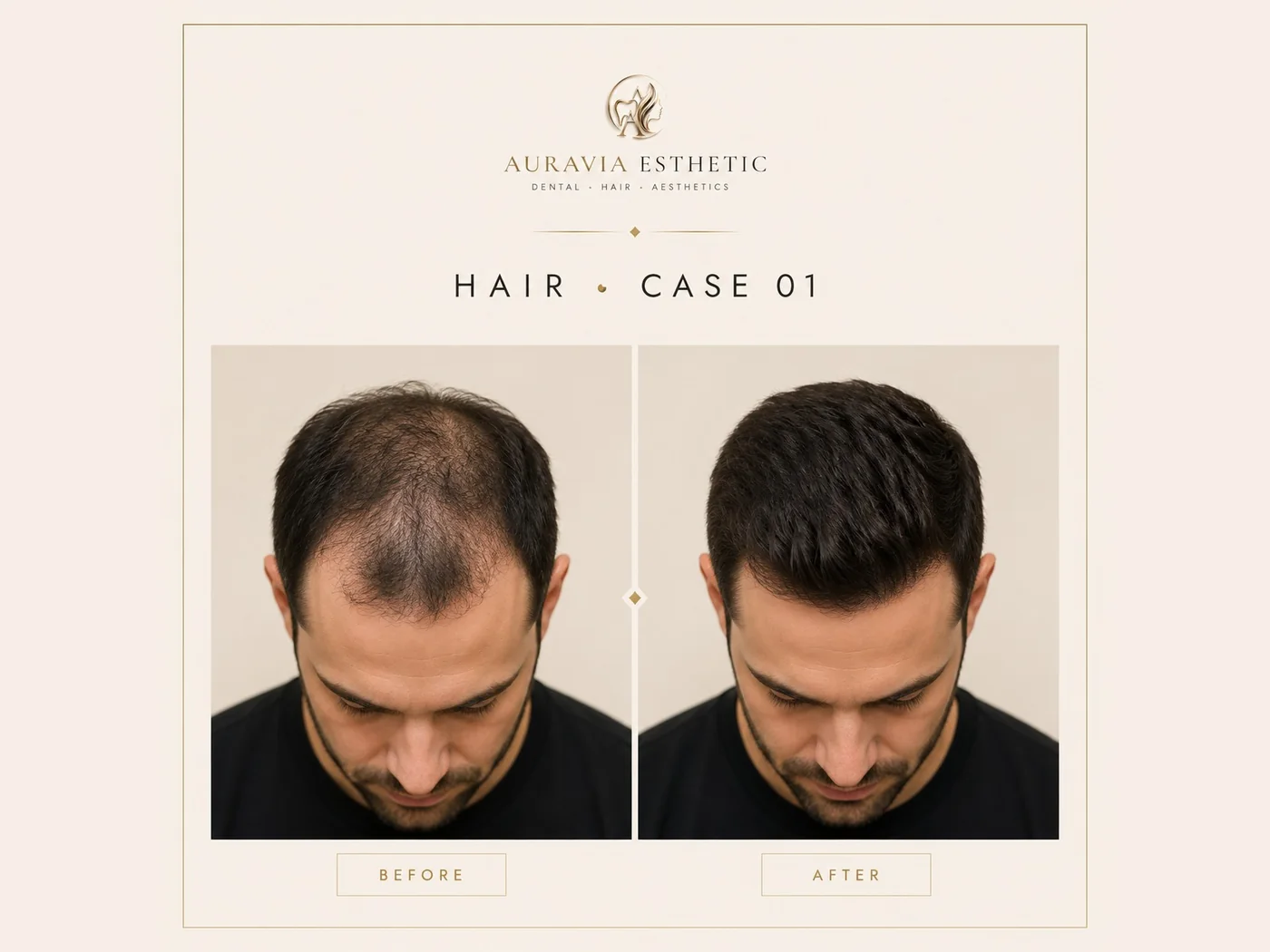
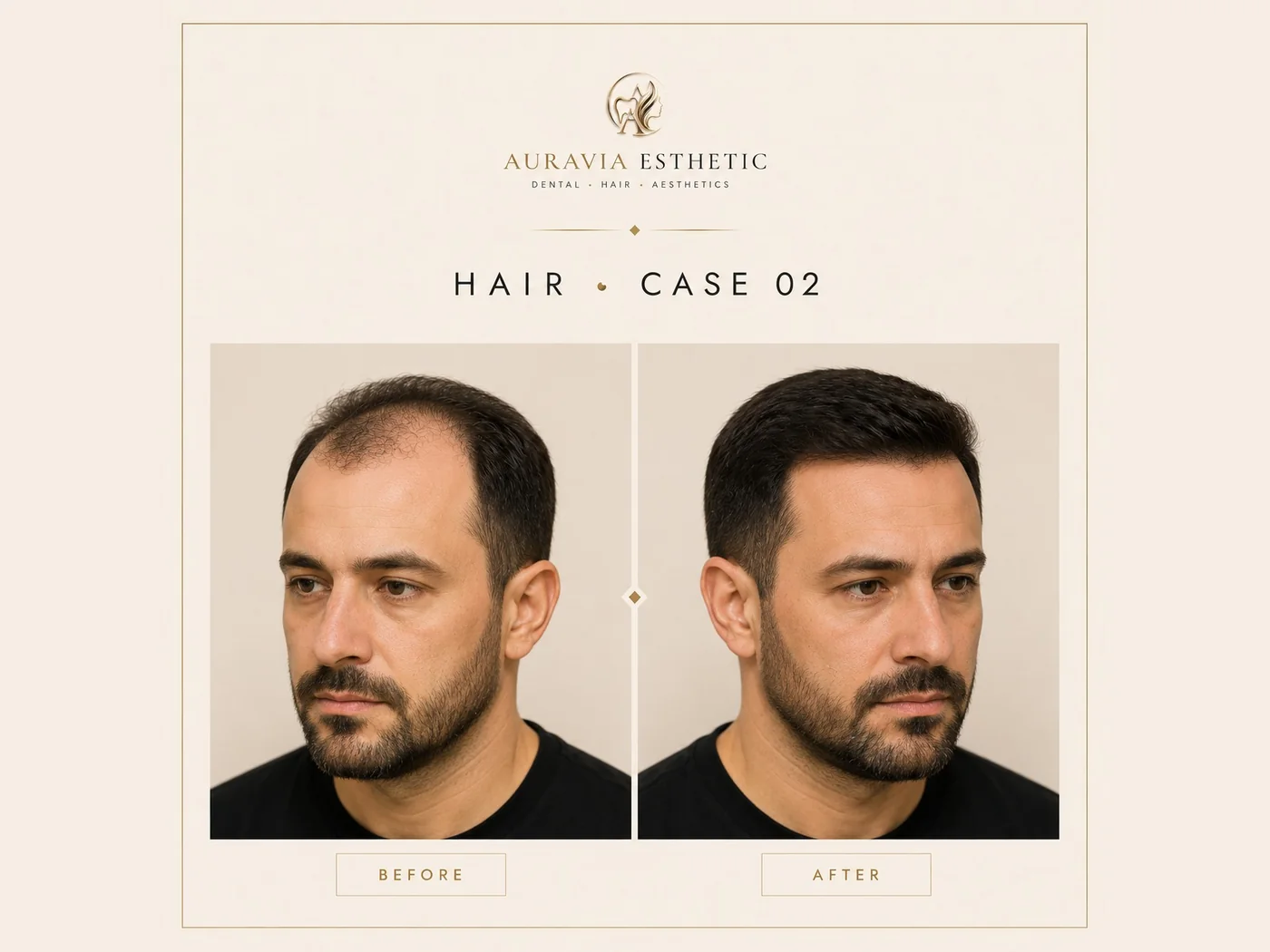
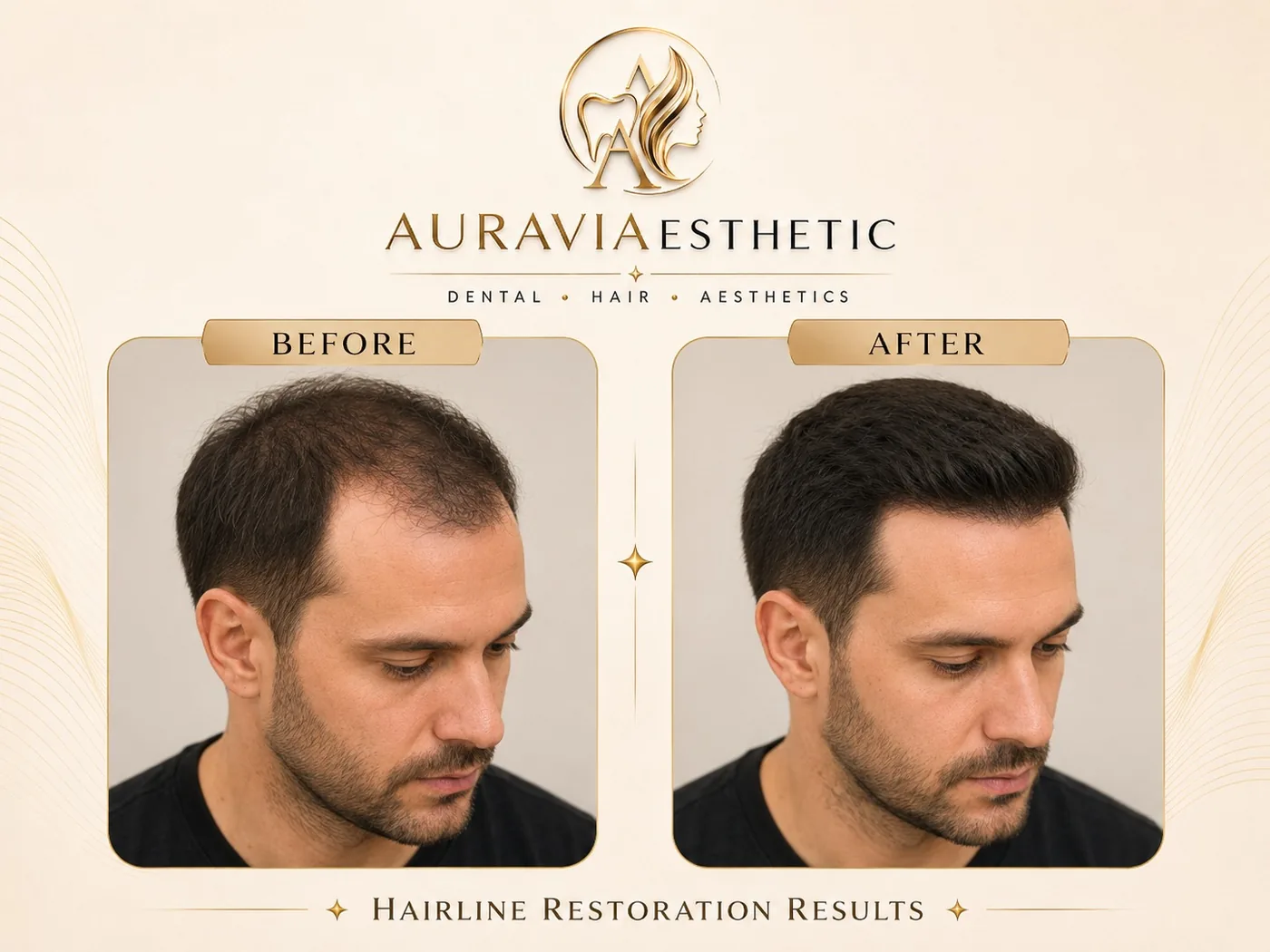
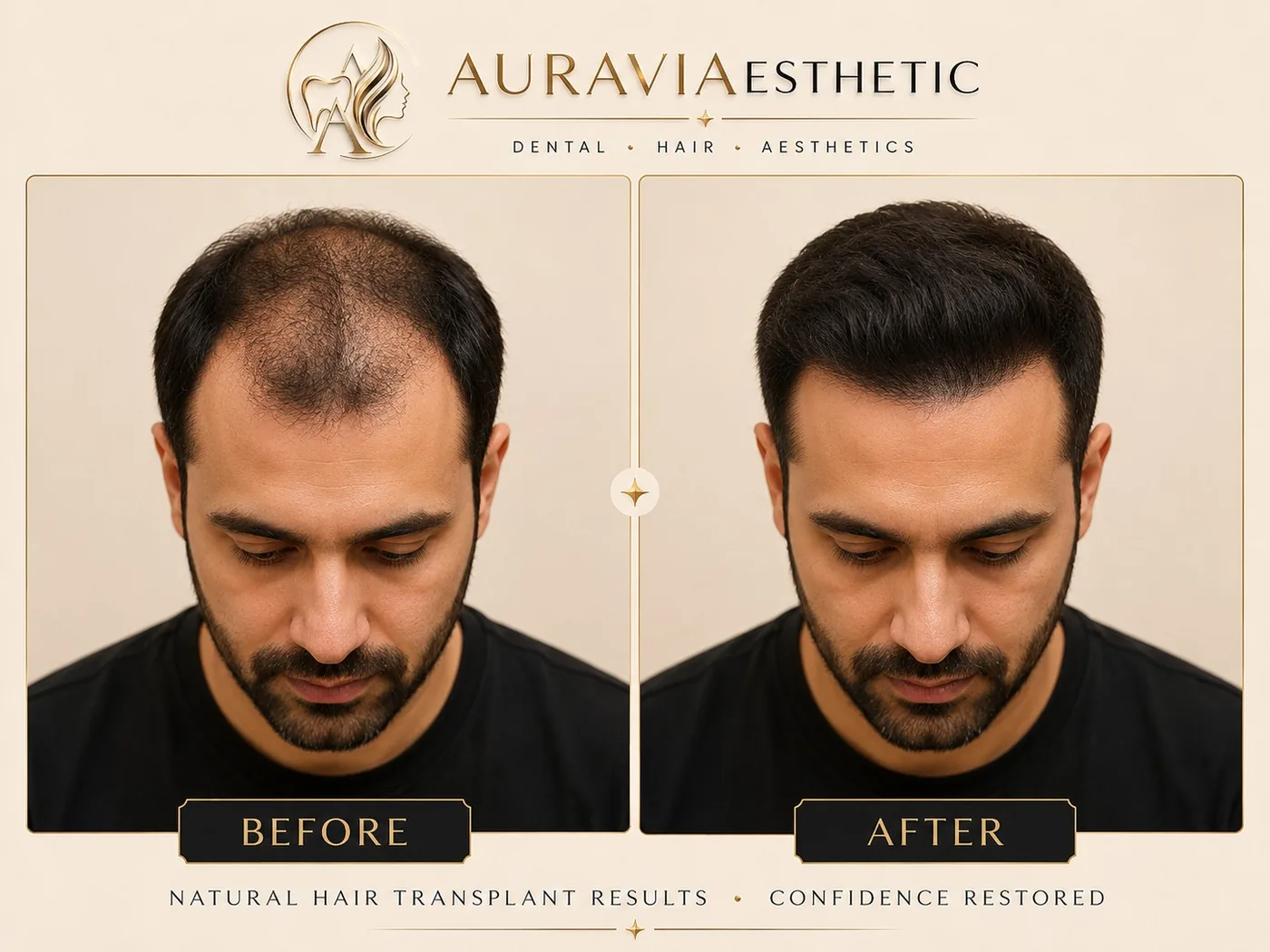
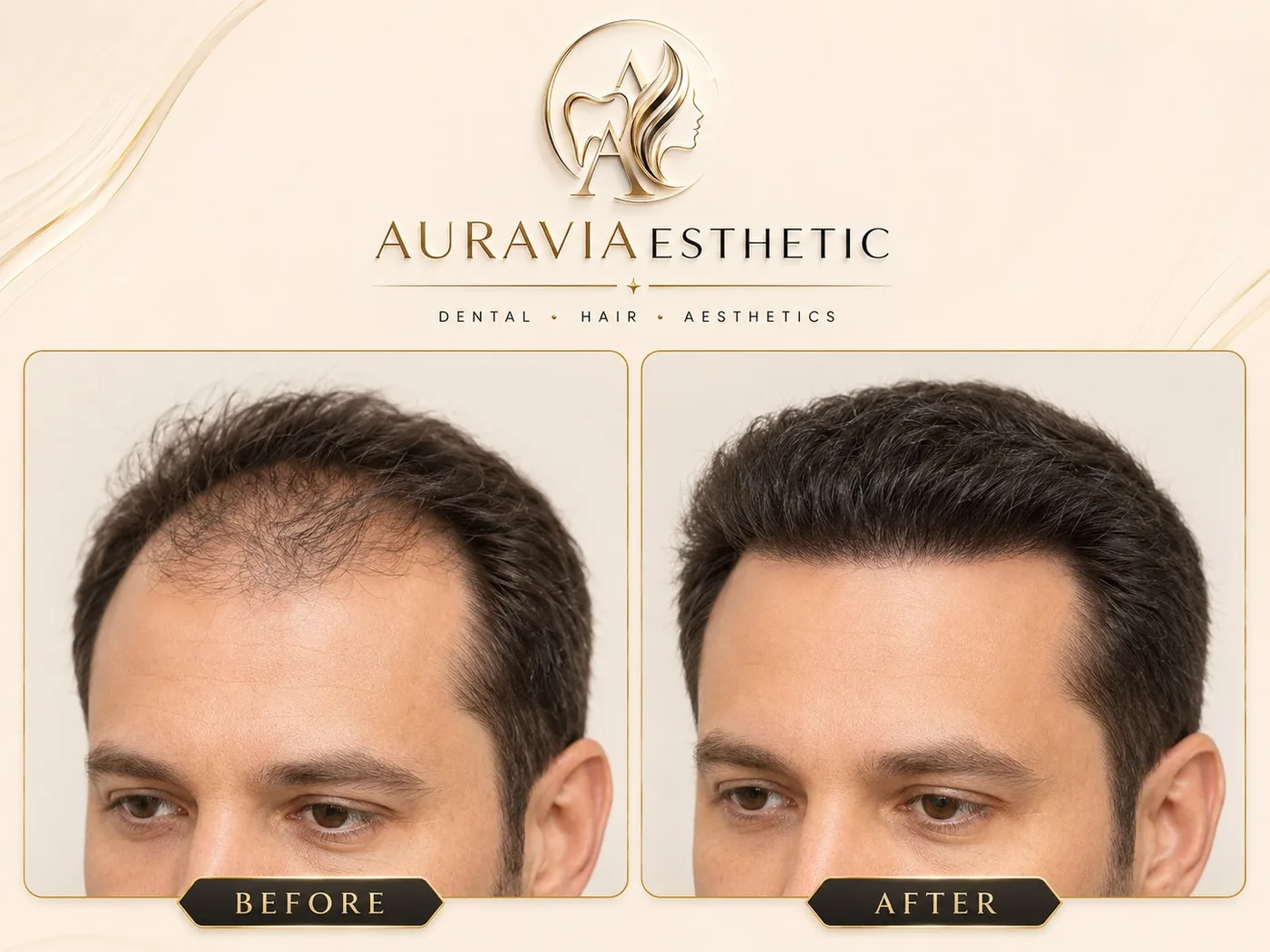
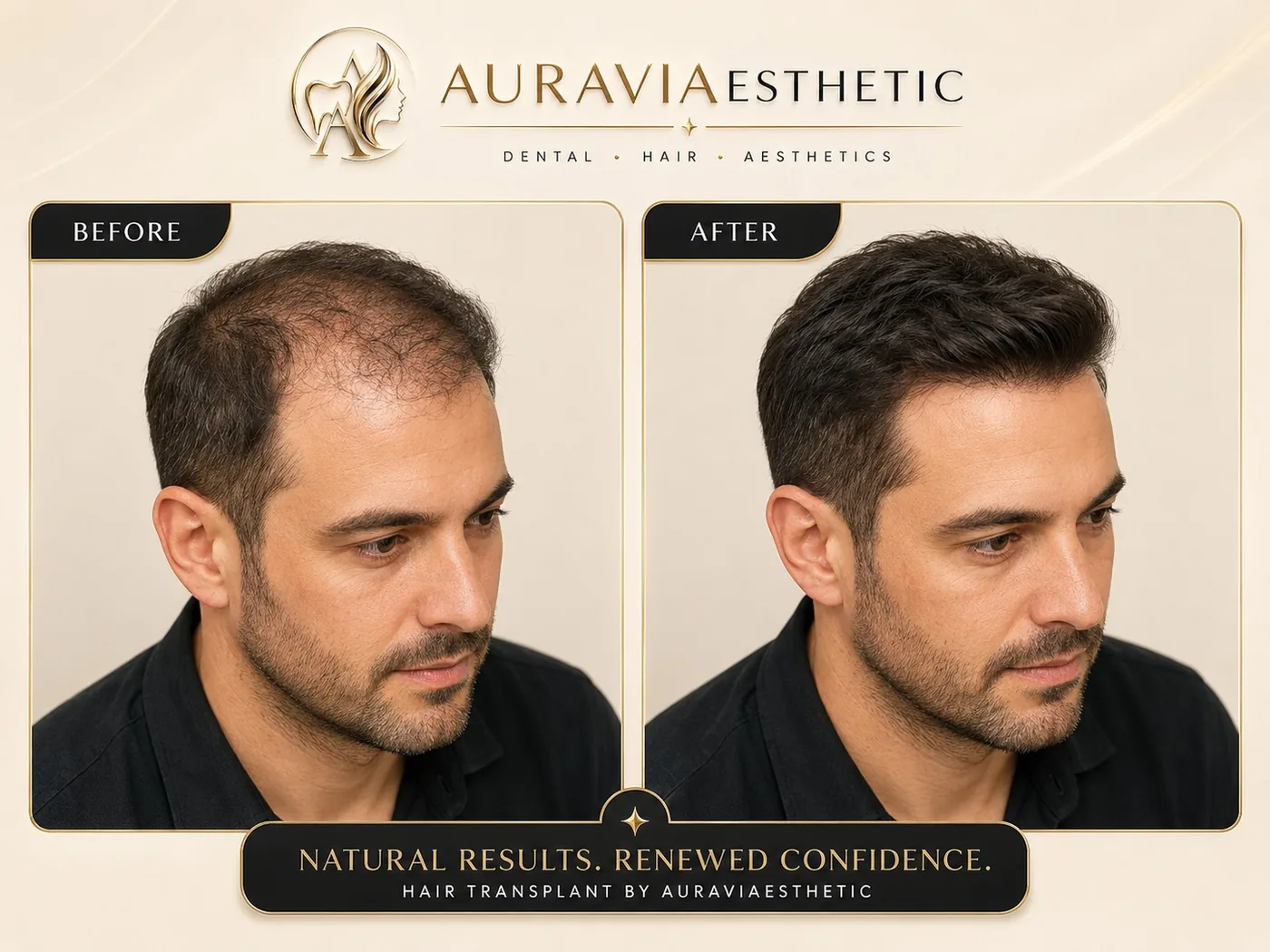
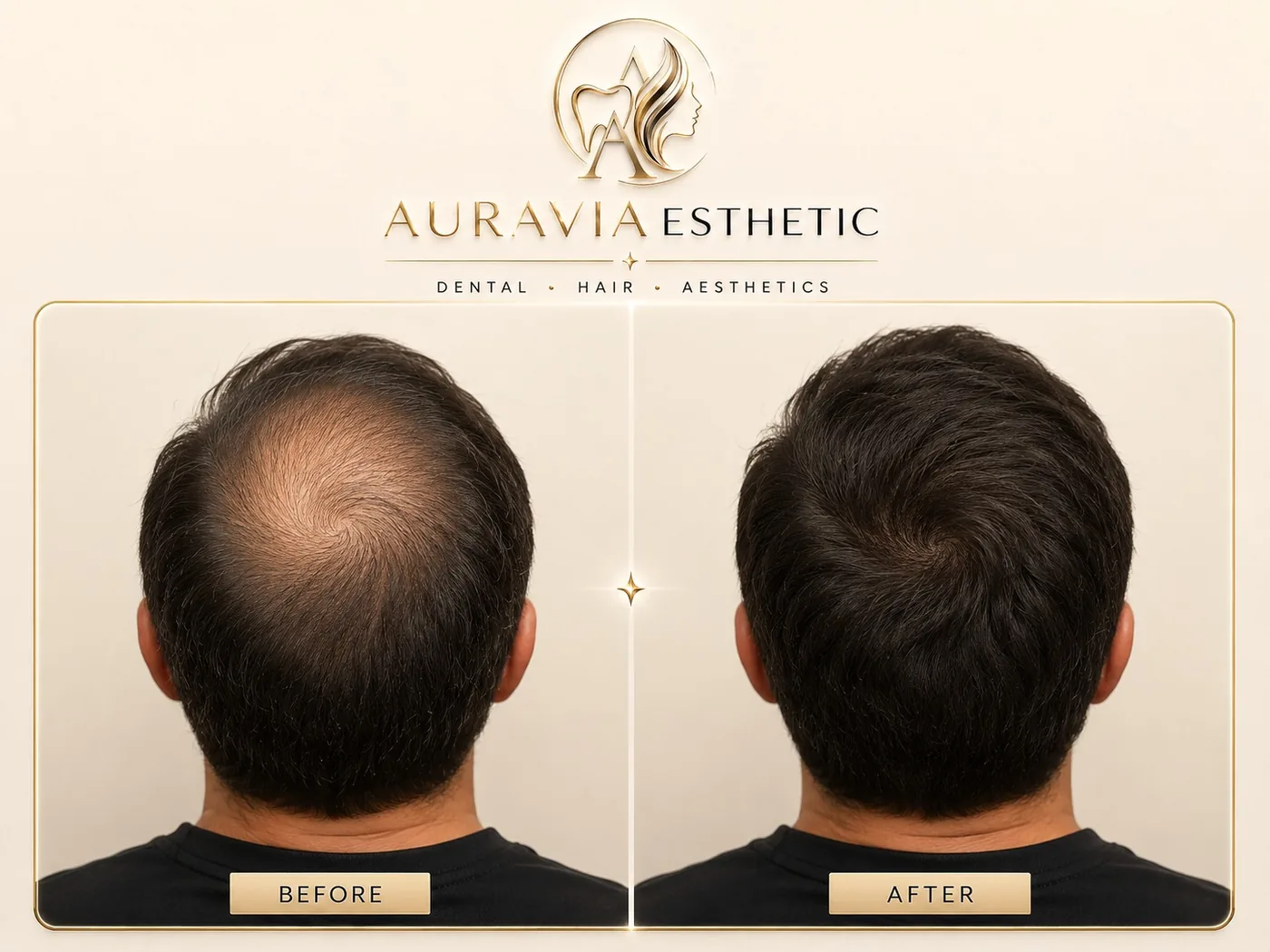
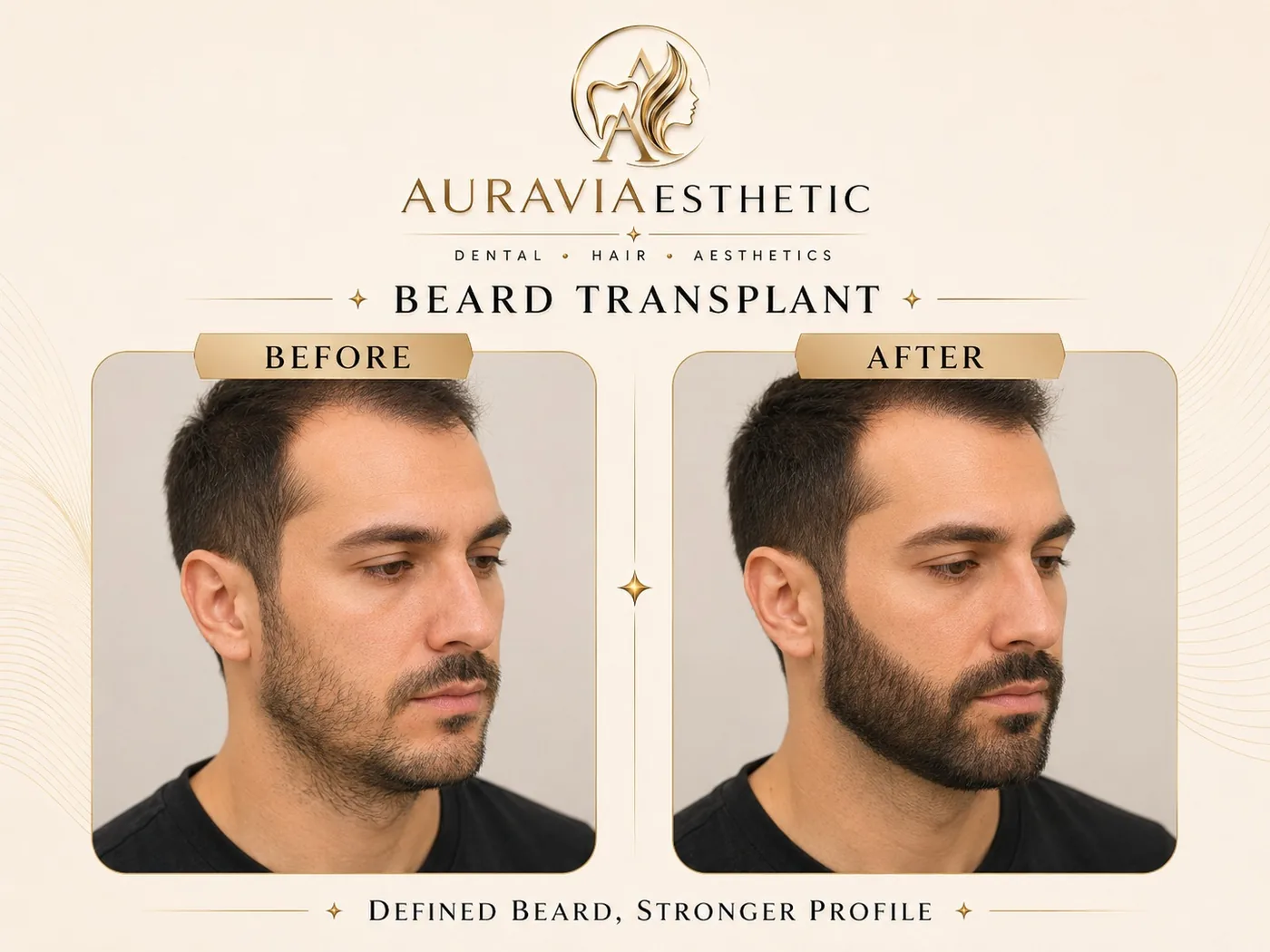
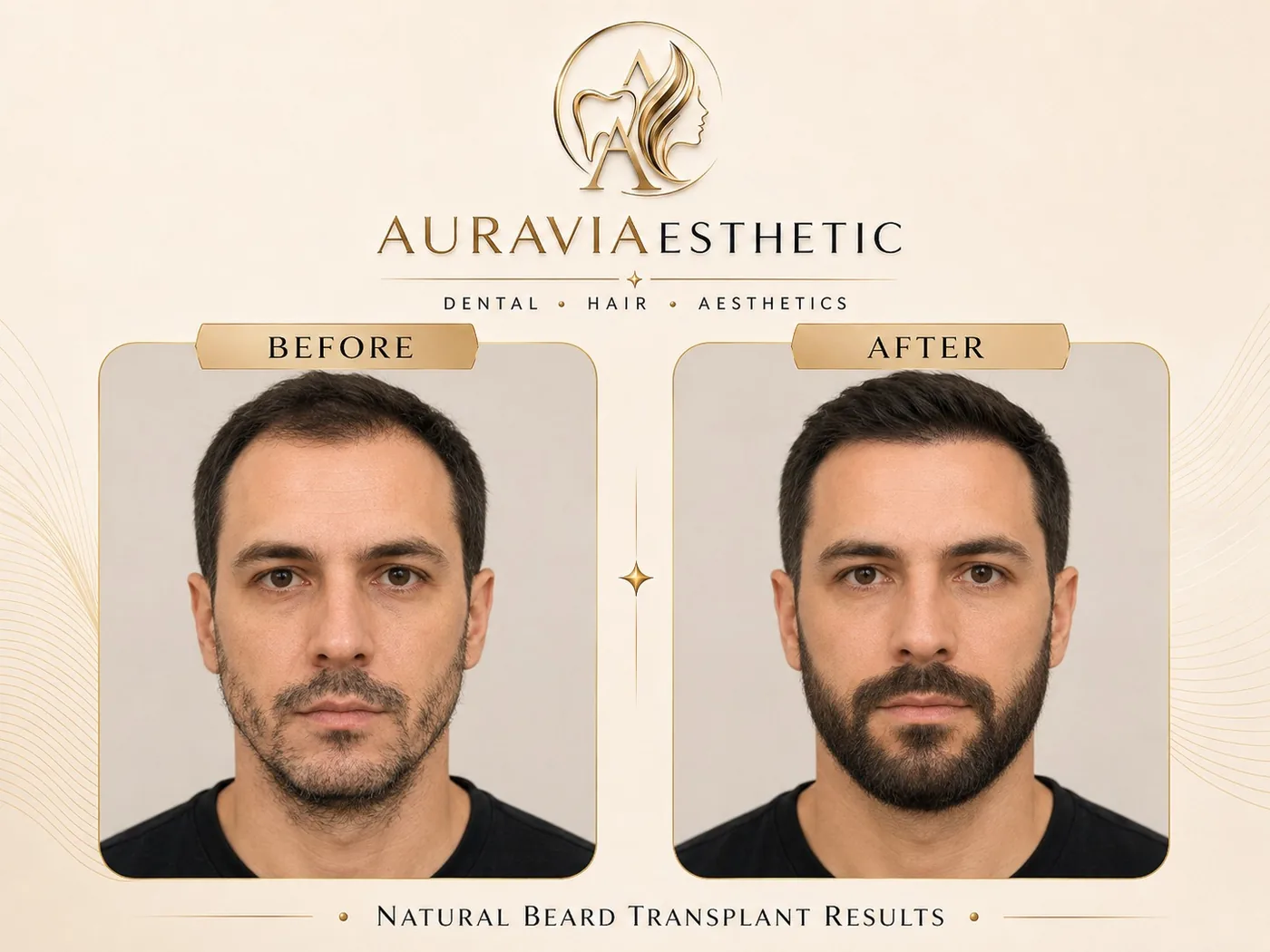
Before and after
Hairline design, crown coverage and beard work. Every case is different — what your donor area supports is the honest limit of what can be planned.
Honest answers before you travel
Hair transplantation moves hair; it does not create it. A good outcome depends on how much stable donor hair you have and how your loss is likely to progress. We would rather turn an enquiry down than deliver a result you regret.
Usually a good candidate
- Stable loss pattern, typically 25+
- Healthy donor area at the back and sides
- Realistic expectations about density
- General health suitable for local anaesthesia
Needs a different conversation
- Rapid, still-progressing loss in the early twenties
- Limited donor capacity for the area to cover
- Active scalp disease or untreated alopecia areata
- Uncontrolled diabetes or bleeding disorders
What happens, hour by hour
Examination and design
Donor assessment, blood tests, and the hairline drawn with you in front of a mirror. Nothing starts until you approve the drawing.
Local anaesthesia
Administered to the donor and recipient areas. You stay awake and comfortable throughout — most patients listen to music or watch something.
Extraction
Follicular units are harvested one by one from the donor area and kept in a preserving solution while they are sorted and counted.
Channel opening
The angle, depth and direction of every channel is set here. This stage determines whether the result reads as natural.
Implantation
Grafts are placed in the planned pattern, single hairs at the front line, multi-hair units behind for density.
Dressing and instructions
Donor area dressed, medication issued, written aftercare in your language. You return the next morning for the first wash.
The timeline nobody tells you about
Hair growth is slow and it is not linear. Knowing this in advance prevents a great deal of unnecessary worry in month three.
Days 1–10
Swelling for two to three days, crusting over the recipient area, first wash at the clinic on day one. Most patients return to desk work within a week.
Weeks 3–8
Shock loss: the transplanted shafts shed while the follicles stay in place. This is expected and is not a failure of the graft.
Months 4–6
New growth begins, initially fine and uneven. Density is still well below the final result.
Months 9–12
Texture thickens and the pattern evens out. The result is generally judged at twelve months, and up to eighteen for the crown.
Hair transplant FAQ
Send five photos. Get a real answer.
Front, top, both sides and the back — in daylight, hair dry. That is enough for our physician to tell you what is achievable and what it costs.