
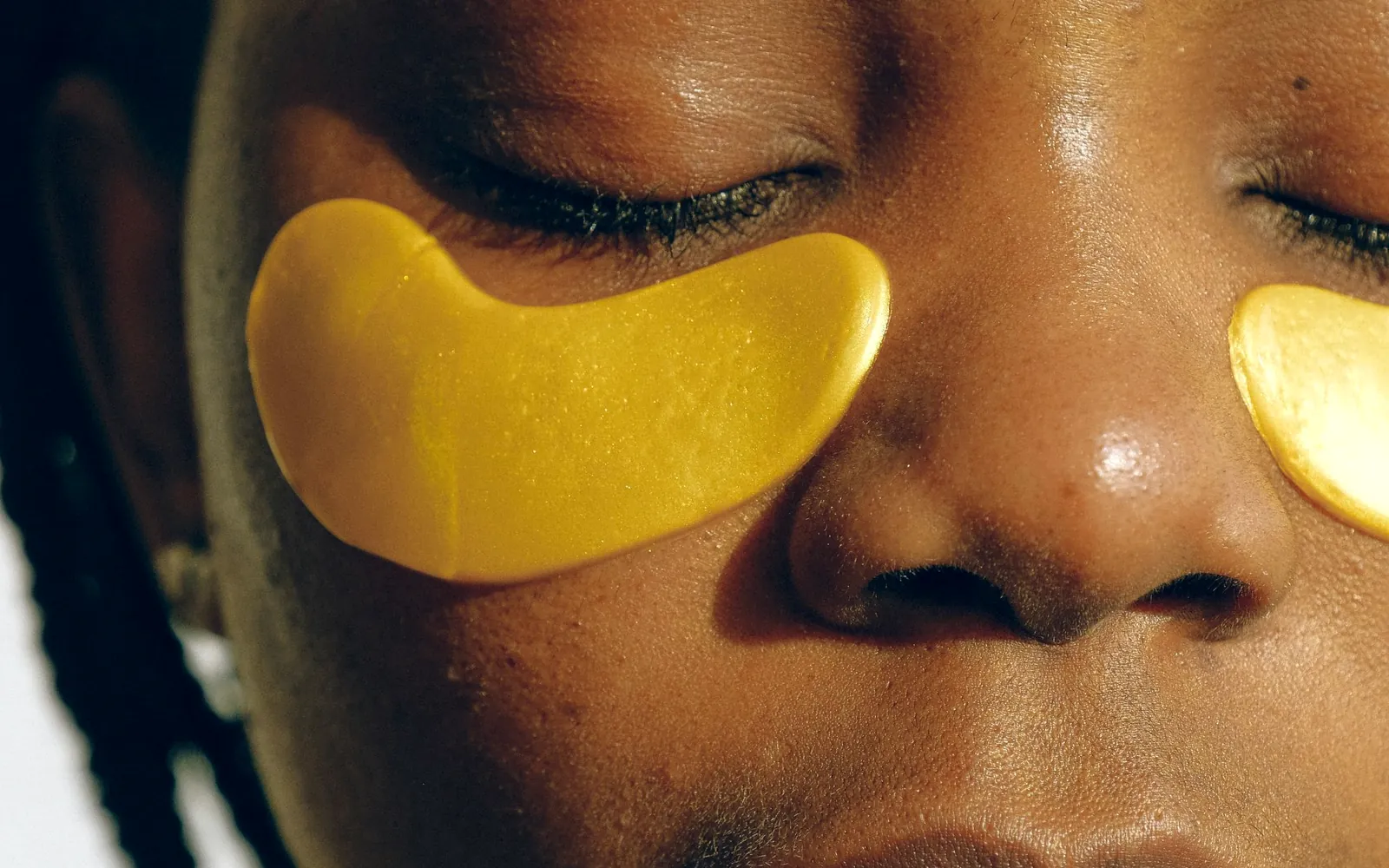
Plastic Surgery in Istanbul: Treatments & Care
Surgical and non-surgical procedures performed by licensed specialists — and an honest conversation about which of the two you actually need.
Where care takes place: surgical and aesthetic procedures take place at a separate, independent partner healthcare facility — not at a dental clinic — named in your written plan before you travel. Auravia Esthetic coordinates your communication and visit. Our medical partners
Proportion, not transformation
The results that age well are the conservative ones. A nose that fits the face it belongs to, a brow that opens the eye without erasing expression, a body contour that follows your own frame. We plan towards balance rather than towards a trend, because trends in aesthetics have a short half-life and surgery does not.
A significant part of our consultation involves talking patients out of things. If a non-surgical treatment would achieve most of what you want at a fraction of the risk, that is what we will recommend — and if surgery genuinely is the right answer, you will hear exactly what it involves, including the recovery nobody enjoys.
- Licensed plastic surgeons, working in facilities authorised by the Ministry of Health
- Full pre-operative work-up before any surgical date is confirmed
- Realistic simulation and a frank discussion of limits
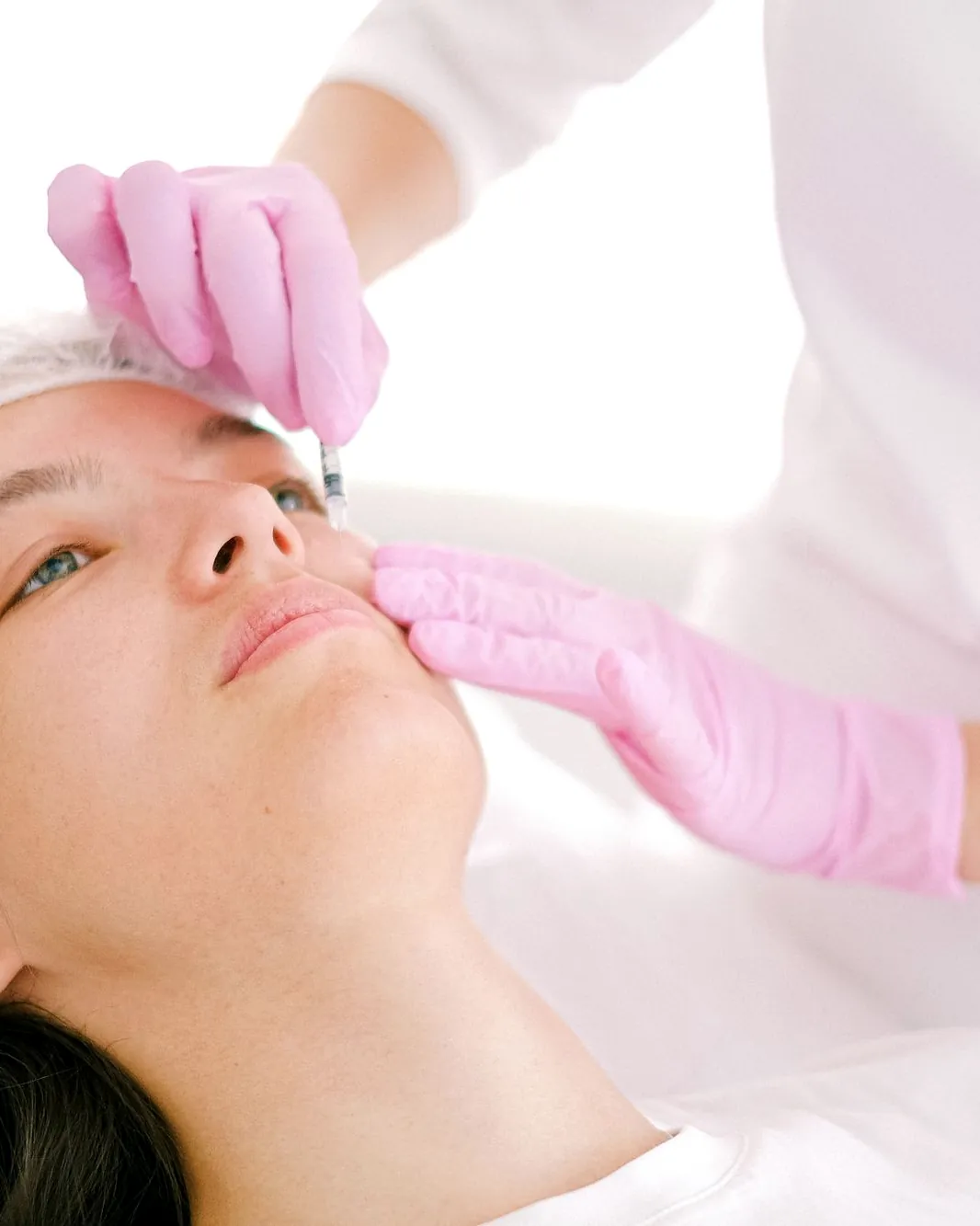
Face and body surgery
Rhinoplasty
Aesthetic and functional nose surgery, including septum correction where breathing is affected. Planned to the proportions of your face; revision cases assessed individually. Indicative stay: 7 nights.
Facelift & neck lift
Repositioning of the deeper facial layers rather than surface tightening, for a result that looks rested instead of pulled. Often combined with fat transfer. Indicative stay: 8–10 nights.
Eyelid surgery
Upper and lower blepharoplasty to remove excess skin and reduce under-eye bulging. Recovery is often shorter than for other facial surgery. Indicative stay: 5–6 nights.
Breast aesthetics
Augmentation, lift, reduction and gynecomastia correction, with implant type and placement chosen for your anatomy and lifestyle. Indicative stay: 6–7 nights.
Liposuction & contouring
Targeted fat removal with modern energy-assisted techniques, often combined with fat transfer. Not a weight-loss treatment — a shaping one. Indicative stay: 6–7 nights.
Tummy tuck
Abdominoplasty for skin laxity and muscle separation after pregnancy or significant weight loss, where exercise cannot restore the abdominal wall. Indicative stay: 8–10 nights.
Indicative stays are examples, not medical timetables — your surgeon's assessment can change them. Your required stay and number of visits are confirmed in your individual treatment plan before travel.
Breast, liposuction and tummy tuck: suitability, limits and recovery
General information to help you prepare questions for your surgeon. Whether a procedure suits you is decided at your face-to-face examination, not from photographs.
May suit: adults in good general health who want to change the size or shape of their breasts, or to reduce heavy breasts. A stable weight helps the result last.
Limits: breast implants do not last a lifetime and are likely to need replacing at some point. A lift does not stop later changes from ageing, pregnancy or weight change.
Main risks: hardening around the implant (capsular contracture), implant rupture, changes in nipple sensation that can be temporary or permanent, a possible effect on breastfeeding, and — rarely — a type of immune-system cancer linked to implants (BIA-ALCL), in addition to the general risks of surgery.
Travel and stay: indicative stay 6–7 nights. NHS guidance advises not flying for 5–7 days after breast surgery.
Aftercare: a supportive bra worn day and night for several weeks, no heavy lifting or strenuous exercise for at least a month, and no driving for at least a week.
May suit: people close to a stable, healthy weight with areas of fat that have not responded to diet and exercise.
Limits: liposuction is not a treatment for obesity and does not remove cellulite or stretch marks. Skin quality influences how smooth the result can be.
Main risks: bruising and swelling that can last for months, numbness, an uneven contour and fluid collection; rarely, bleeding, blood clots or injury to internal organs.
Travel and stay: indicative stay 6–7 nights. NHS guidance advises not flying for 5–7 days after liposuction.
Aftercare: a compression garment worn constantly for several weeks, and no strenuous activity for around 10–12 weeks. The final shape can take up to six months to settle.
May suit: loose skin or separated abdominal muscles after pregnancy or major weight loss, in people at a healthy, stable weight.
Limits: it is not a weight-loss operation. A later pregnancy or a large change in weight can affect the result — tell your surgeon if you are planning either.
Main risks: thick or visible scarring, wounds that are slow to heal, fluid collection, numbness, blood clots and infection.
Travel and stay: indicative stay 8–10 nights. NHS guidance advises not flying for 7–10 days after a tummy tuck.
Aftercare: a support garment for about six weeks, around four to six weeks away from work and exercise, and no driving for a few weeks.
Air travel after major surgery increases the risk of blood clots, so your surgeon confirms when you are fit to fly. Sources: NHS pages on breast enlargement, liposuction, tummy tuck and cosmetic surgery abroad, checked 26 September 2026. This is general information, not medical advice.
When you do not need an operation
Same-day treatments with little or no downtime — often enough on their own, and a sensible first step if you are unsure about surgery.
Botulinum toxin
Softening of dynamic lines across the forehead, glabella and around the eyes. The effect usually appears within days and typically lasts three to five months.
Dermal fillers
Hyaluronic acid to restore volume in cheeks, temples and lips, or to refine the jawline and chin. Hyaluronic acid fillers can usually be dissolved if needed.
Skin rejuvenation
Mesotherapy, PRP and medical peels for texture, pigmentation and dullness. Best delivered as a short course rather than a single visit.
Laser & tightening
Fractional and radiofrequency platforms for fine lines, scarring and mild laxity, chosen according to skin type and season.
What we insist on
Aesthetic surgery is real surgery. These are not negotiable, however inconvenient they are for a travel schedule.
- Full blood work, ECG and anaesthetic clearance before any operation
- Surgery only in hospitals and healthcare facilities authorised by the Ministry of Health
- An overnight stay where the procedure requires it, never a same-day discharge for convenience
- A face-to-face examination with your surgeon before consent — the online assessment is a starting point, not a decision
- No combination of procedures that extends anaesthesia beyond what is safe for you
Aesthetics FAQ
Plan your treatment and travel
Use the related guides to compare the treatment scope, questions for your clinician and arrangements before and after your trip.
Start with an honest opinion
Send front and profile photographs and tell us what bothers you. You will get a considered answer — including, when it applies, the reason not to operate.